The Question Is Not Which ETF, But How Much: Position Sizing and the Age Method 2X ETF position sizing and life-stage allocation: how to size SSO and QLD, use core-satellite portfolios, rebalance, and shift from growth to income near retirement.
Can You Eat It and Still Sleep? The Real Risk Test for 2X ETFs 2X ETF risk tolerance framework: knowledge, confidence, drawdowns, human behavior, cash flow, family pressure, and whether investors can truly hold SSO or QLD.
Why SSO and QLD Can Look So Strong Long Term: Same 2x, Different Risk SSO vs QLD long-term comparison: returns, volatility, beta, Sharpe ratio, maximum drawdown, liquidity, and the different risk engines behind 2X U.S. ETFs.
What You Own Is Not Long-Term 2x: Daily Reset, Trend, and Volatility U.S. 2X ETF playbook: understand daily reset, path dependency, volatility drag, and why SSO and QLD are tools for managing trend and volatility.
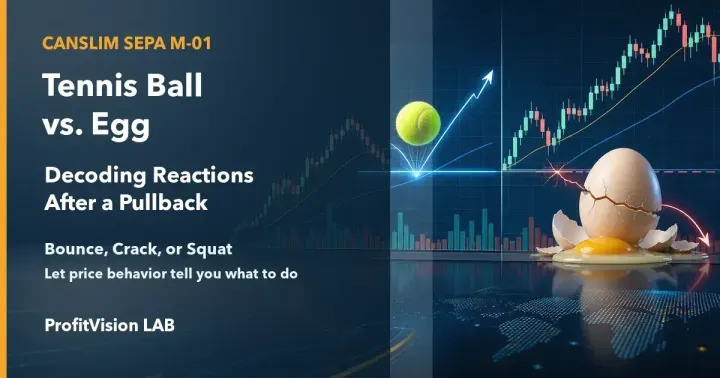
Tennis Ball vs. Egg: Decoding How a Stock Reacts After a Pullback Tennis Ball and Egg behavior are core SEPA position management tools. This article explains Natural Reactions, Tennis Ball Action, Egg behavior, and the Squat pattern so investors can judge whether to hold through a pullback or raise risk controls.
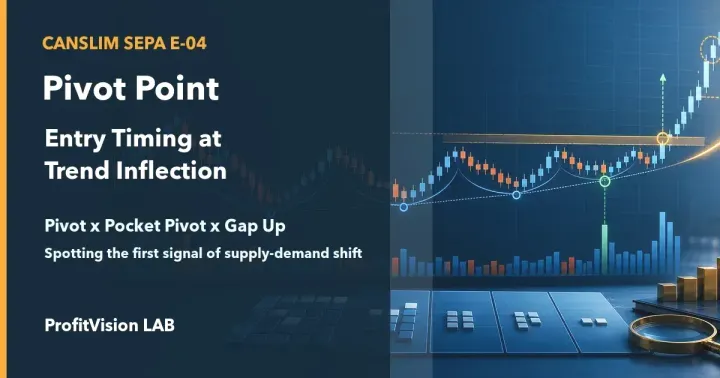
Pivot Point & Pocket Pivot Point: Entry Timing at Trend Inflection Pivot Point and Pocket Pivot Point are core SEPA entry tools. This article explains how Pivot Point, Pocket Pivot Point, and Gap Up Entry identify supply-demand shifts and entry timing after a completed VCP base.
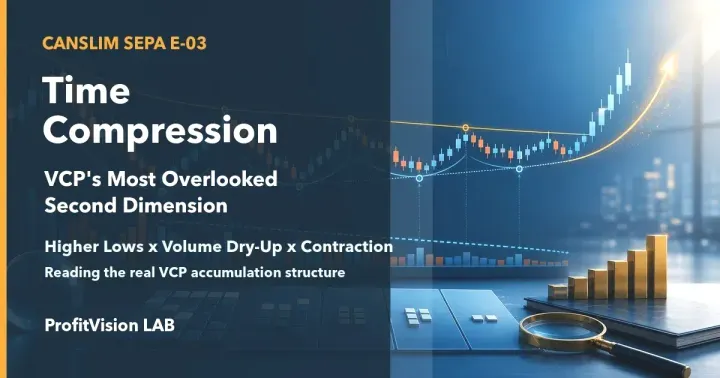
Time Compression: VCP's Most Overlooked Second Dimension Time compression is the overlooked second dimension of VCP patterns. This article explains how higher lows, tightening pullbacks, shorter contractions, and volume dry-up reveal the real SEPA accumulation structure before breakout.