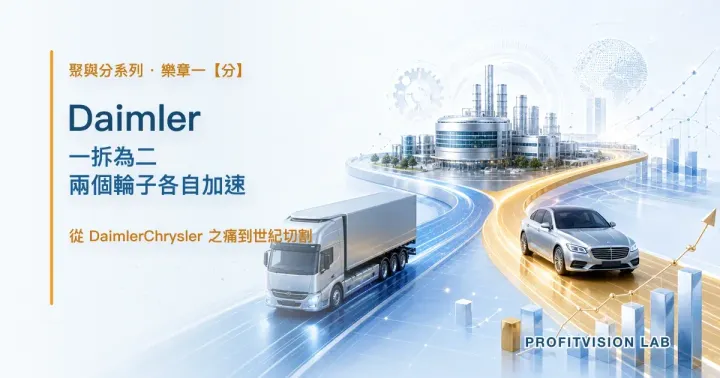
Daimler:一拆為二,兩個輪子各自加速 2021 年,Daimler 一拆為二:Mercedes-Benz Group 專注豪華轎車與廂型車,Daimler Truck 獨立上市。本文解析消費奢侈品與 B2B 工業品為何需要分家,以及 Daimler 如何從 DaimlerChrysler 失敗的聚,學到一拆為二的分。
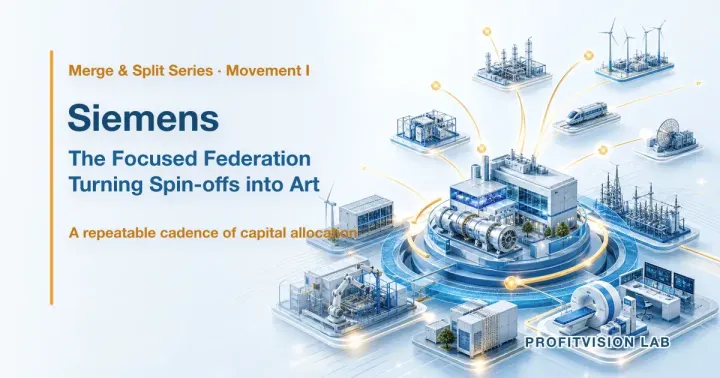
Siemens: The Focused Federation—Turning Spin-offs into a Repeatable Art Siemens spent more than two decades spinning off Infineon, Healthineers and Energy while becoming more focused. This analysis explains the focused federation, Joe Kaeser's fleet philosophy, and how repeatable spin-offs became capital-allocation discipline.
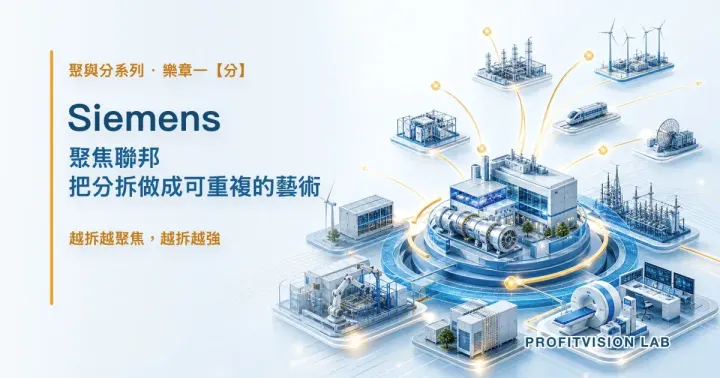
Siemens:聚焦聯邦,把分拆做成可重複的藝術 Siemens 用二十多年連續分拆 Infineon、Healthineers、Energy 等事業,讓自己越拆越聚焦。本文解析聚焦聯邦、艦隊哲學與可制度化分拆如何成為資本配置紀律。
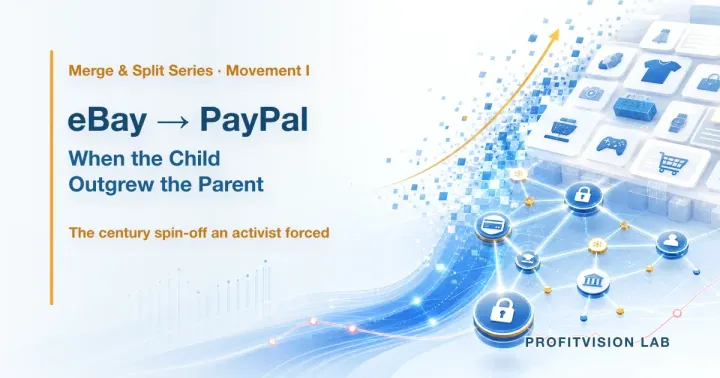
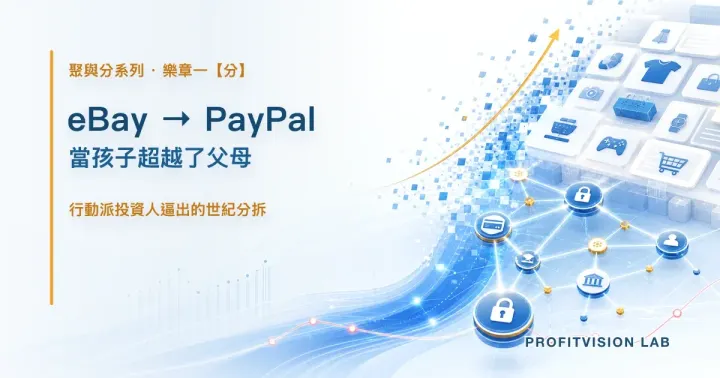
eBay → PayPal: When the Child Outgrew the Parent eBay bought PayPal for about US.5 billion, then spun it off in 2015 under activist pressure. This analysis explains the cost of strategic captivity, why eBay was not PayPal's best owner, and how the spin-off released a trapped growth engine.
eBay → PayPal:當孩子超越了父母 eBay 以約 15 億美元買下 PayPal,2015 年在行動派投資人施壓下分拆。本文解析策略性囚禁的代價、PayPal 為何不是 eBay 最適合持有的資產,以及分拆如何釋放成長引擎。
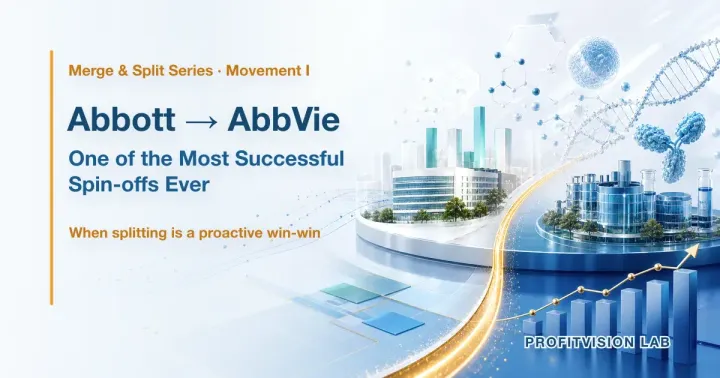
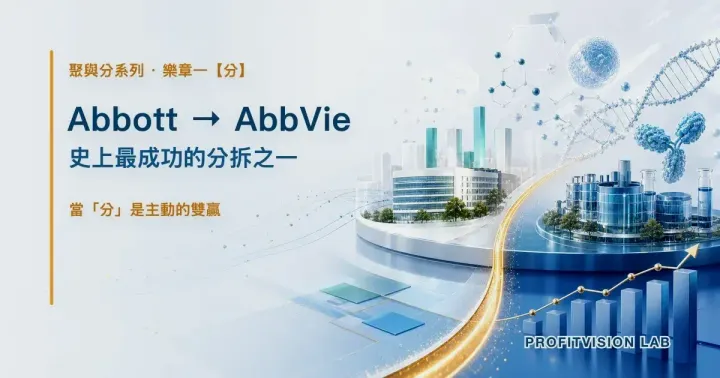
Abbott → AbbVie: One of the Most Successful Spin-offs Ever In 2013, a healthy Abbott proactively spun off its pure-pharma business as AbbVie. This analysis explains why two risk profiles need two kinds of shareholders and how AbbVie used post-spin capital autonomy to defuse the Humira patent cliff.
Abbott → AbbVie:史上最成功的分拆之一 2013 年,健康的 Abbott 主動把純藥事業分拆為 AbbVie。本文解析為什麼兩種風險屬性需要兩種股東,以及 AbbVie 如何用獨立後的資本自主化解 Humira 專利懸崖。