Discipline before instinct.
Think with me, not just trade with me.
No stock tips, no hype calls. Every judgment runs through the same repeatable process: first filter out what should never be touched, then decide how to enter and how to control risk. You see the conclusion — and every step of the reasoning.
Positioning, moat, volatility, technicals — filtered in order. First ask "should I touch this at all", then "how do I enter".
Institutional strength, relative strength and earnings quality quantified into a reviewable verdict — not a gut call.
Stock selection, options selling and financial-statement analysis — each track runs from concept to executable SOP.
Three Learning Tracks
Full curriculum →Stock selection, options selling, financial analysis. Each track goes from concepts and tools to executable SOPs.
Super Performance Stock Selection
Built on Mark Minervini’s SEPA methodology, integrating CANSLIM with technical entry execution — from why to buy strength to when to buy, sell, and how much.
Options Selling System
Probability-first: from seller philosophy and core tools to full strategy SOP and risk management — a cash-flow framework that puts time on your side.
Financial Statement Analysis
The intro track teaches you to read the three statements, footnotes and earnings calls; the advanced series teaches you to see through them — CPA audit lens, CFA quality frameworks, and AI-assisted screening.
This Week’s Screen Signals
Updated 2026-11-09Verdicts from the Four-Layer Defensive Screen, reasoning included.
Latest Research
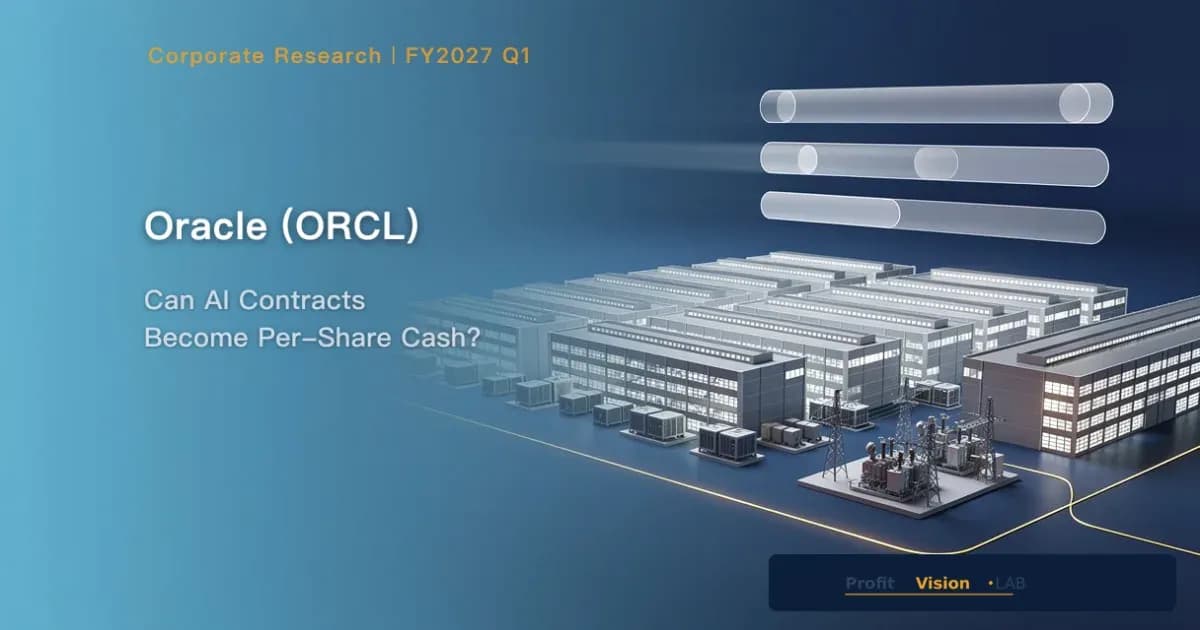
Oracle (ORCL): Can AI Contracts Become Per-Share Cash?
Oracle's FY2027 Q1 revenue was US$19.345 billion, up about 30%, and IaaS revenue grew 121%. But capex reached US$28.499 billion, company-defined free cash flow was negative US$5.396 billion, and RPO stood at US$664 billion. We test whether the contracts can turn into per-share cash through GPU depreciation life, customer prepayments, US$288 billion of not-yet-commenced leases and equity dilution: cloud growth has real business value, but capital recovery is not yet sufficiently proven.
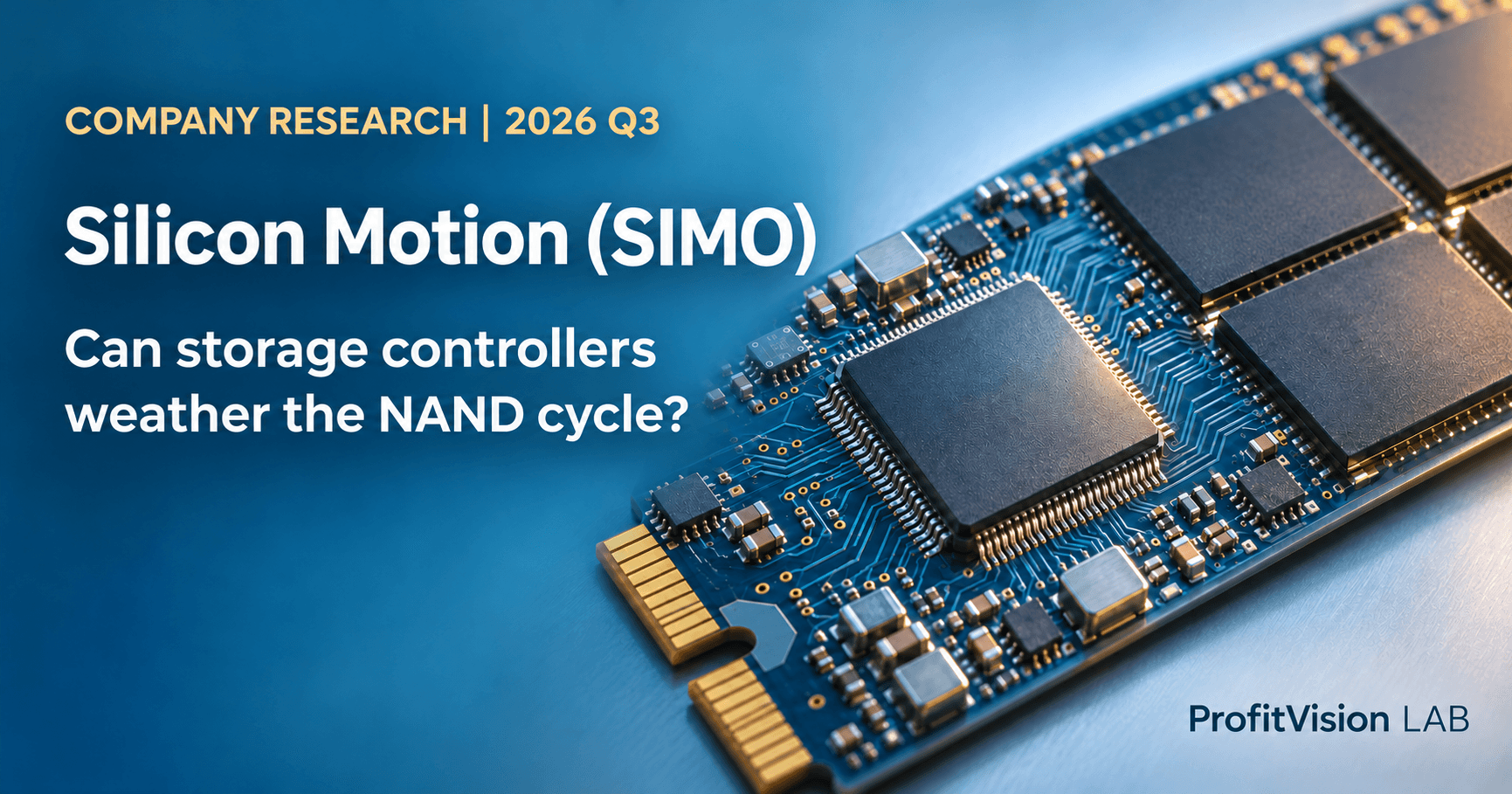
Silicon Motion (SIMO): From Controllers to Storage Solutions, Can High Margins Become Durable Cash Flow?
Silicon Motion is expanding from NAND controllers into storage solutions. This research examines its industry position, business model, cash flow, inventory exposure and capital allocation.
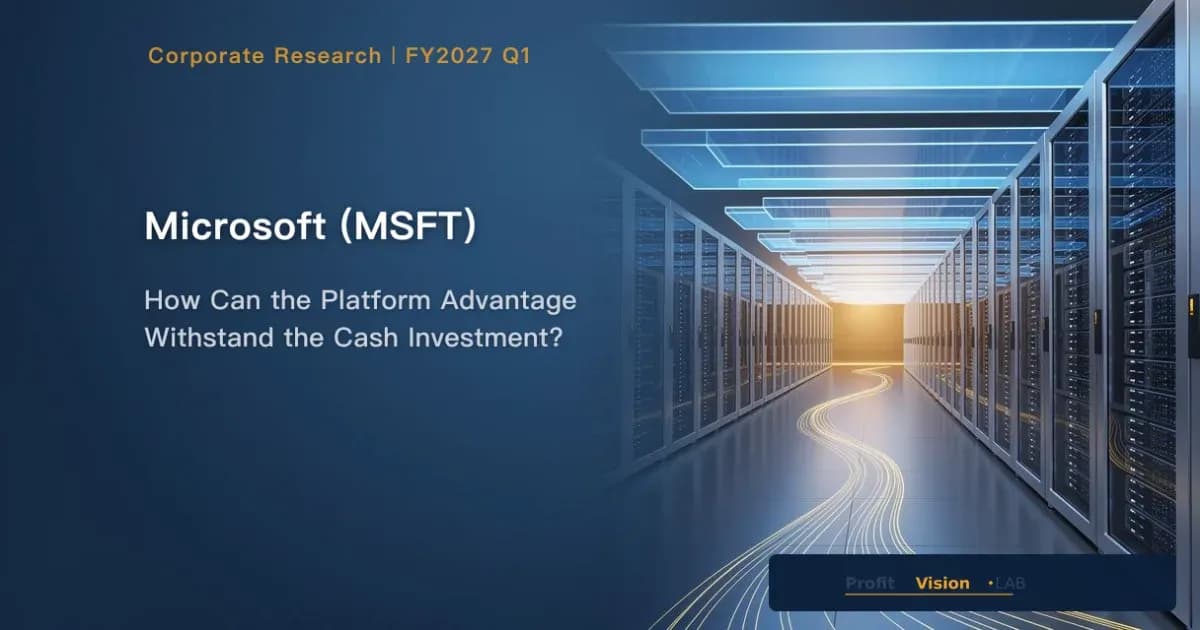
Microsoft (MSFT): After Azure Growth, How Can the Platform Advantage Withstand the Cash Investment?
Microsoft's FY2027 Q1 revenue was US$92.279 billion, up approximately 18.8%, operating income rose approximately 21.0% and Azure grew approximately 48.2%. Yet simplified free cash flow fell from US$25.663 billion to US$18.633 billion, down 27.4%, and lease commitments not yet commenced were approximately US$364.6 billion. We break down growth sources, cash investment, the OpenAI relationship and the platform's role, holding a positive view of competitiveness and a conditionally cautious view of AI capital recovery.
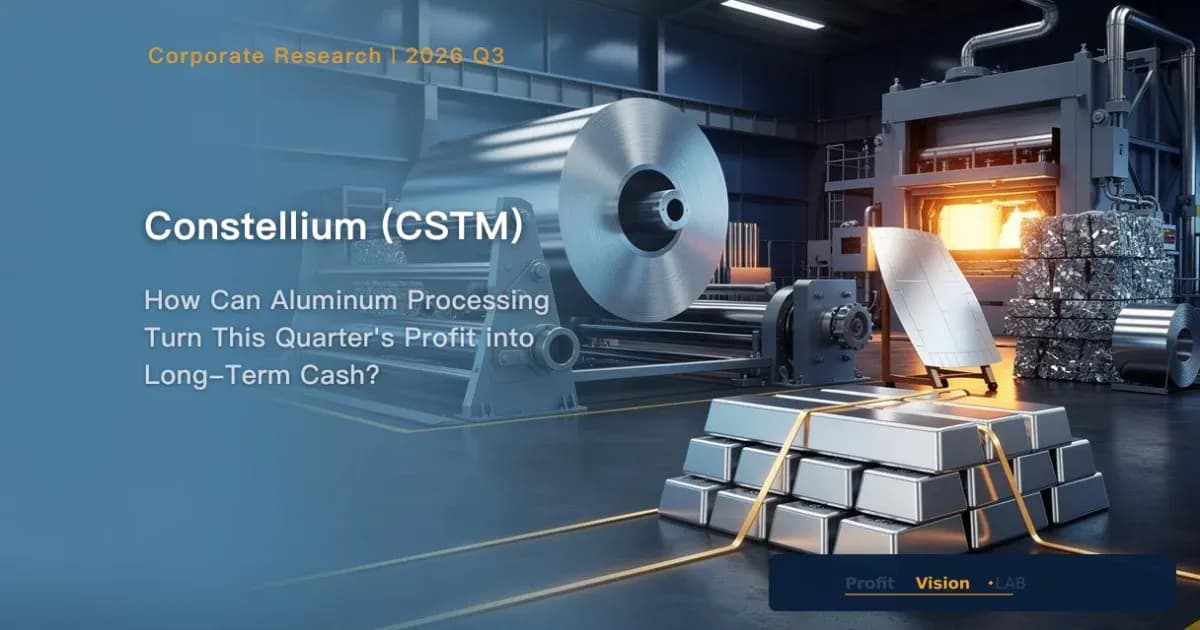
Constellium (CSTM): Beyond Aerospace Certification, How Can Aluminum Processing Turn This Quarter’s Profit into Long-Term Cash?
Constellium's 2026 Q3 shipments decreased approximately 1% while revenue increased 22%. Excluding metal price lag, segment EBITDA and corporate costs increased US$84 million, US$80 million of which came from packaging and automotive rolled products (P&ARP), not aerospace. Company-defined FCF for the first three quarters was US$223 million, but inventory and receivables still tie up capital. We break down segment profit, recycling and tariffs, cash conversion and valuation, holding a positive view of the company's execution and remaining cautious about extrapolating this quarter's profit directly.